Spec Review
You send the sensor, field of view, working distance, and resolution target. We confirm the optical budget, flag feasibility risks before quoting, and check sensor format and CRA compatibility up front.
Nine lens families off the shelf — measured MTF, distortion and BFL on every datasheet. In-house R&D and production when the catalog isn’t the fit.
Nine lens families from embedded micro-optics to 16K line scan webs, each card listed with real model numbers — if one matches your sensor or task, the link opens the engineering page for that family.
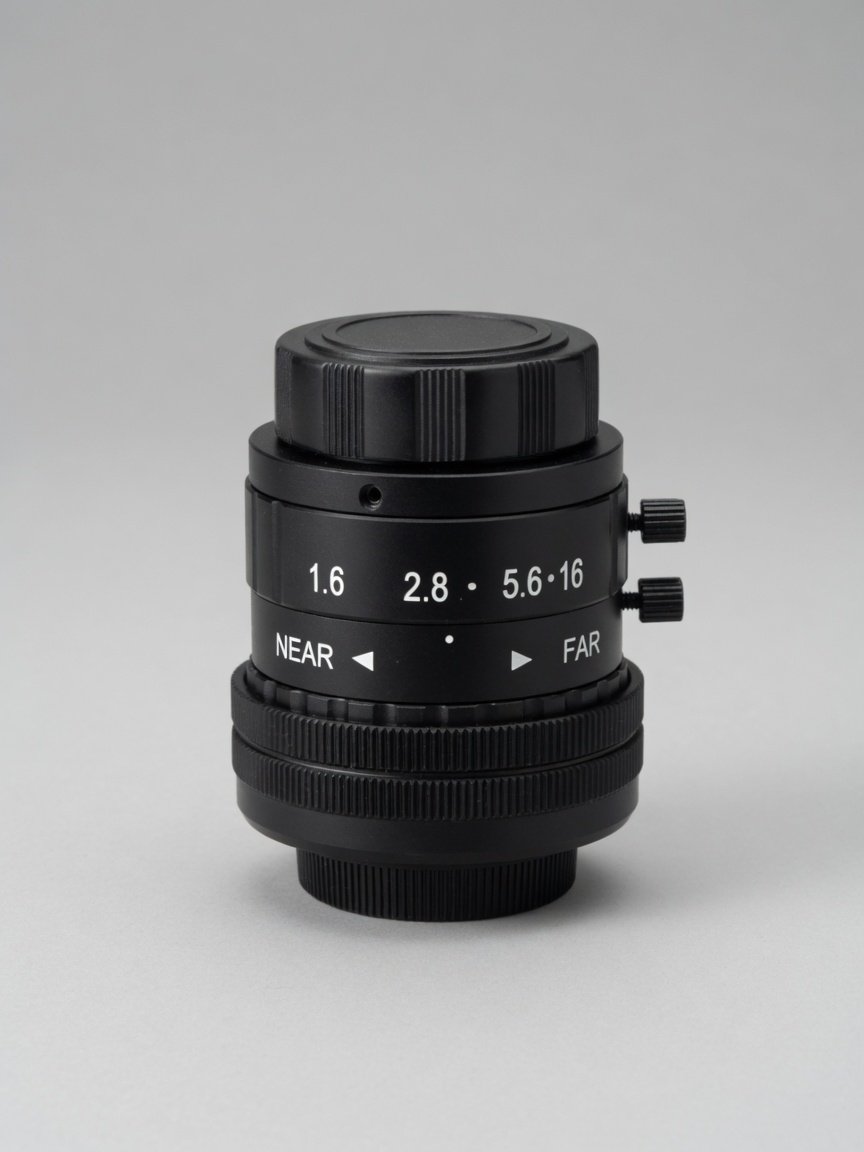
C-mount factory-automation optics for 2/3″ to 1.1″ formats: <0.05% distortion, 10K+ batch consistency, plus a macro family for close-distance gauging.
Models: FA3505W · FA5005W · FA2520W · FA3520W · FA5020W · FA7520W (macro family)
Explore FA Lenses →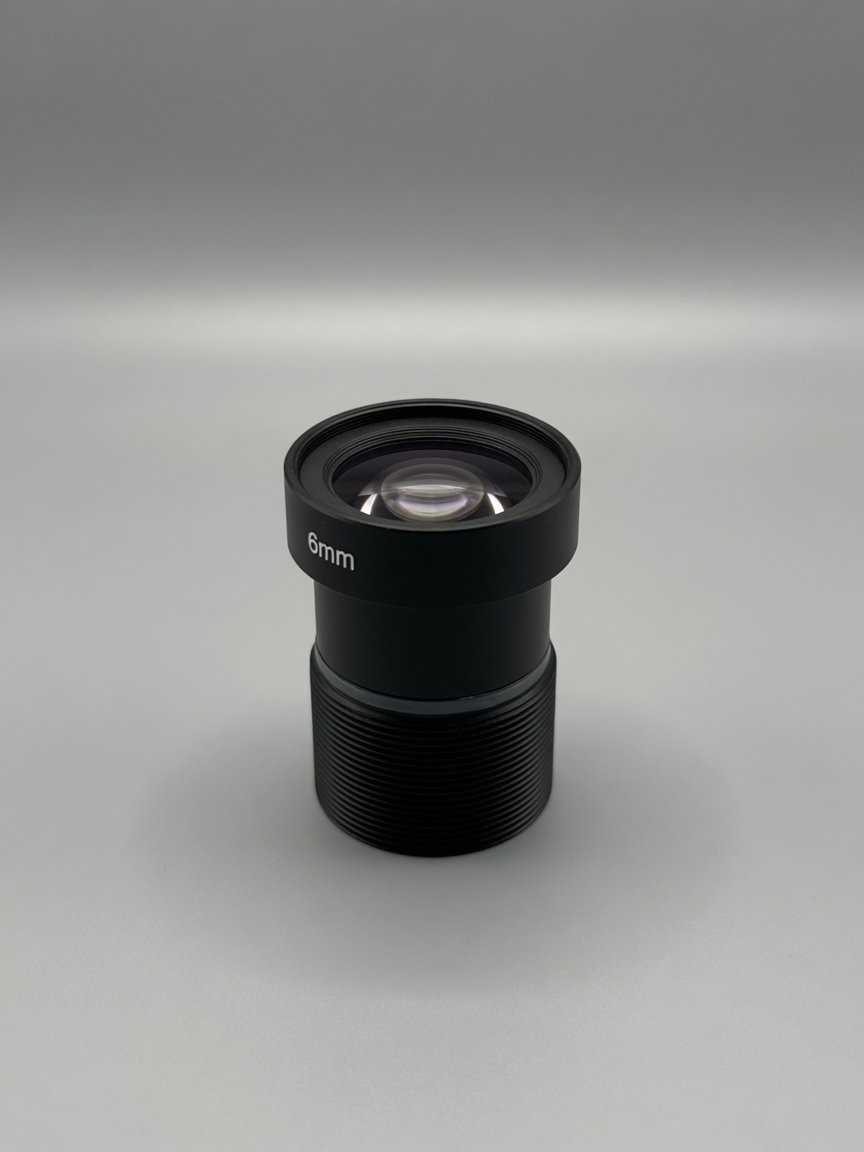
M12×0.5 optics from 5 to 30 mm with F4.0–F11 fixed apertures, full-thread lock-focus barrels for high-vibration robotics, and NIR/VIS options.
Models: H05–H16 · M12–M35 · T045 / T54
Explore M12 Lenses →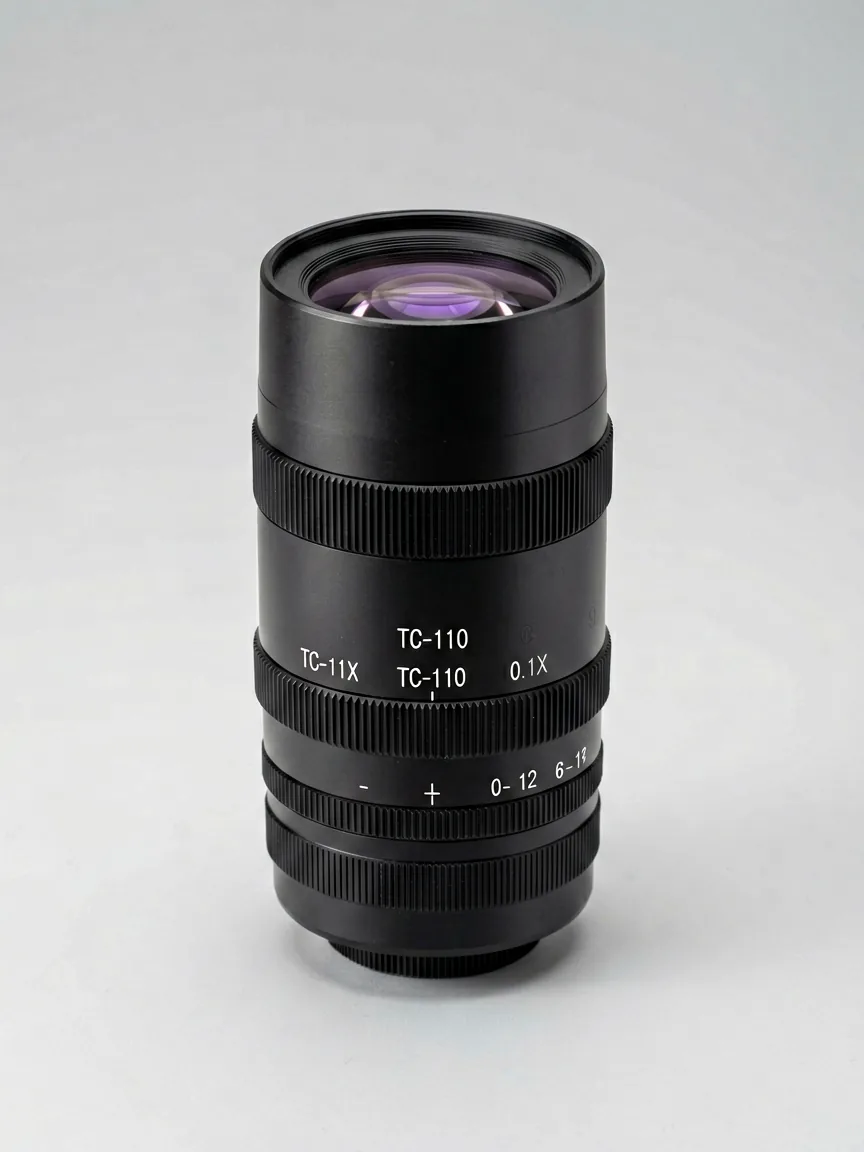
Measurement-grade telecentric optics for dimensional metrology and pin gauging — magnification that never drifts with working distance. 12 catalog models.
Models: YT series, 12 models
Explore Telecentric Lenses →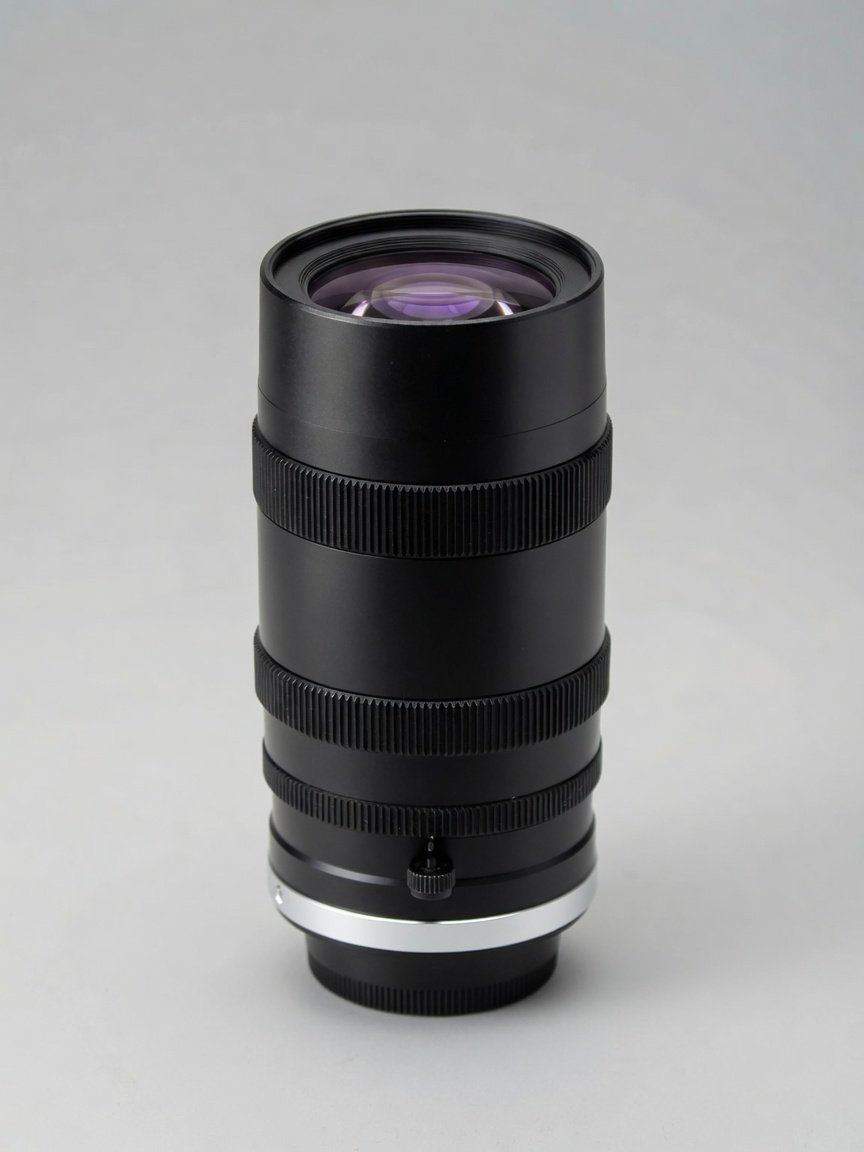
4K, 8K, and 16K optics with flat field and uniform edge illumination for moving webs — the 8K models resolve 5 μm across a φ46 mm image circle.
Models: EK4032A · EK5028A (8K, M42/M58/M72-F)
Explore Line Scan Lenses →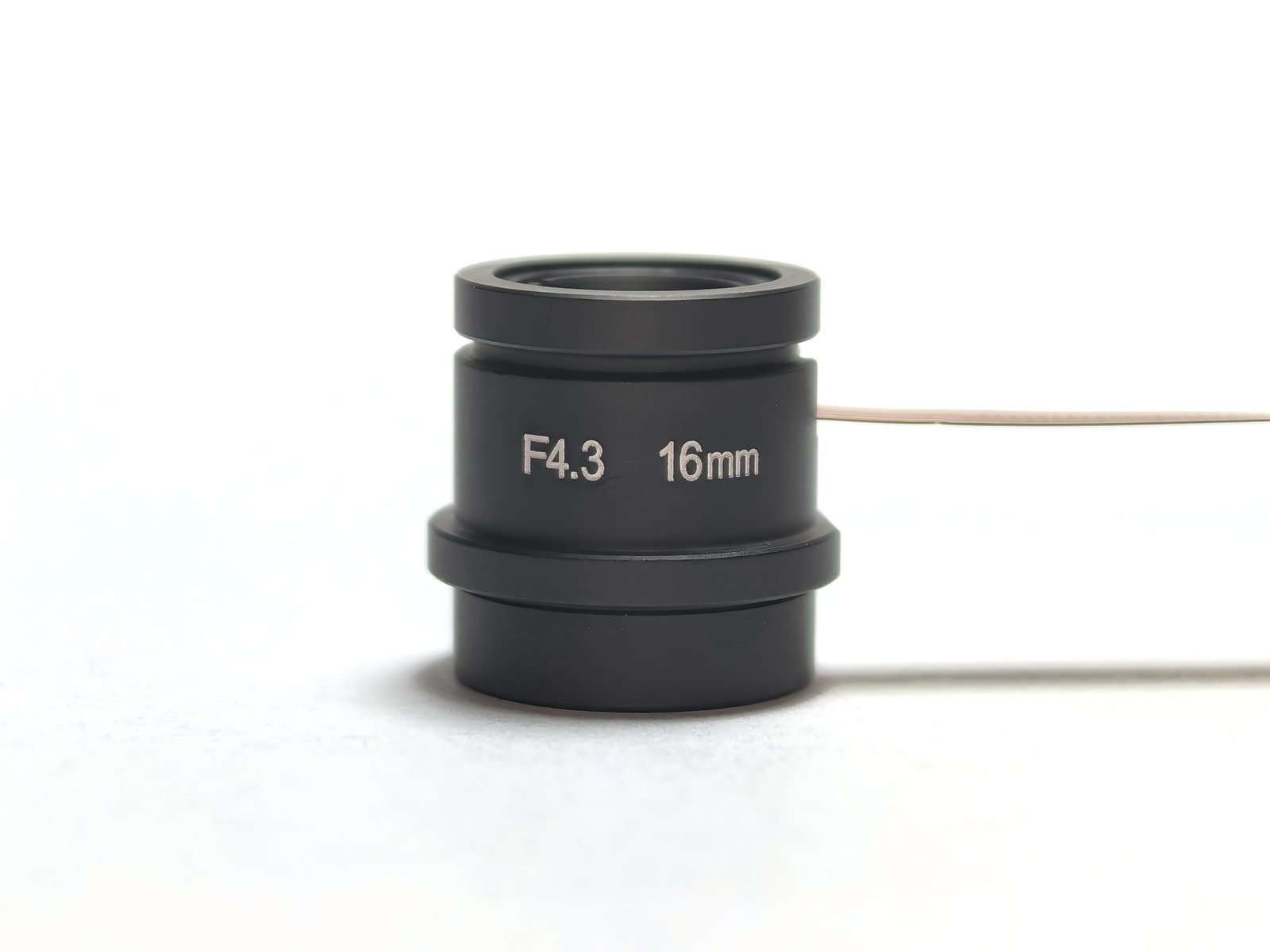
Electrowetting lenses with zero moving parts: focus shifts in 20 ms under pure voltage control. Z-stacked pairs extend depth of field for robot picking.
Models: M0834AFC · M1238AFC · M1643AFC · H1670AFC-A · H1670AFC-B
Explore Liquid Lenses →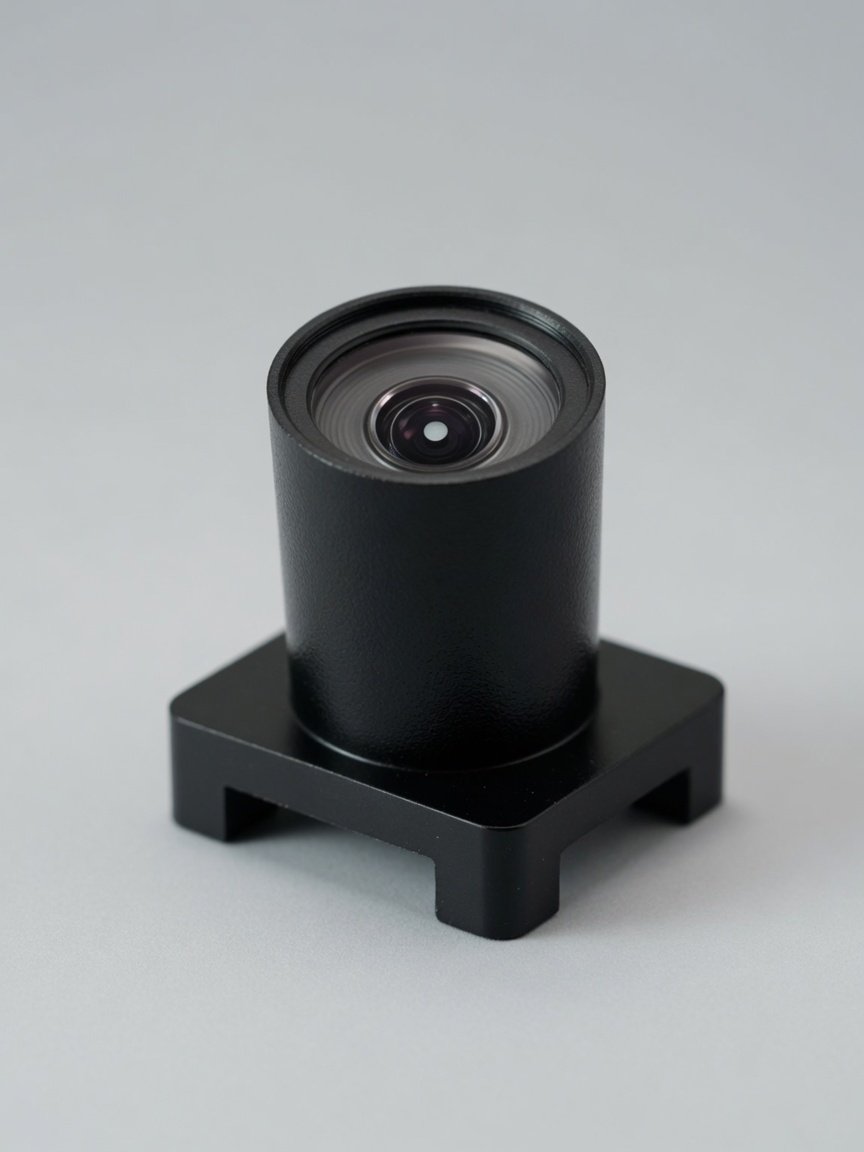
Sub-2 mm OD micro-optics for medical endoscopy and industrial RVI: 1 μm-class active alignment, hermetic sealing, autoclave-tolerant. FOV 80–160°.
Models: 6101A · 6103A · 6105A · 6109A · 6110A · 6112A · 3203B · 3204B · 3207A · 7201A (14 catalog models)
Explore Endoscope Optics →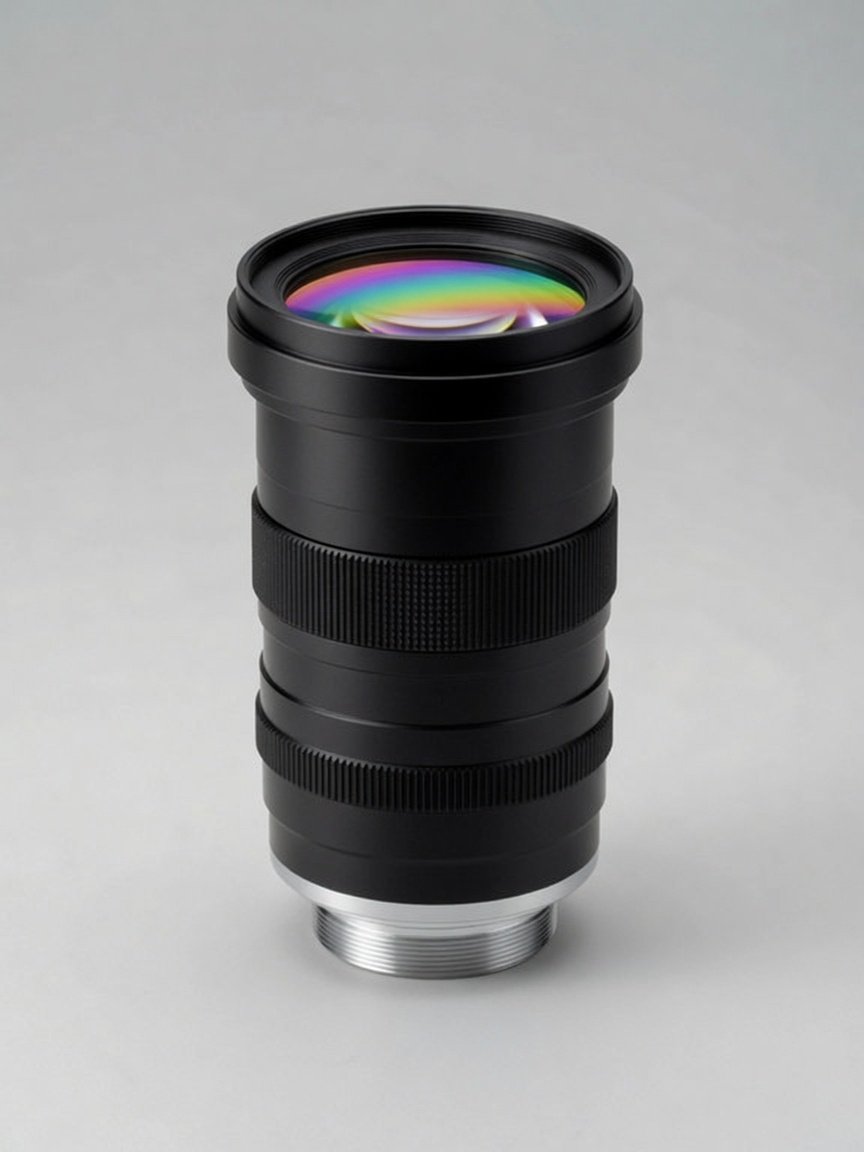
41 standard LMXHG lenses for 8/12/17 µm uncooled detectors — 2.2 to 100 mm EFL plus a 30–150 mm continuous zoom, from 256×192 up to 1280×1024.
Models: LMXHG-003 · LMXHG-017 · LMXHG-037 · LMXHG-066 (30–150 mm zoom) · LMXHG-085 — 41 models total
Explore Thermal Imaging →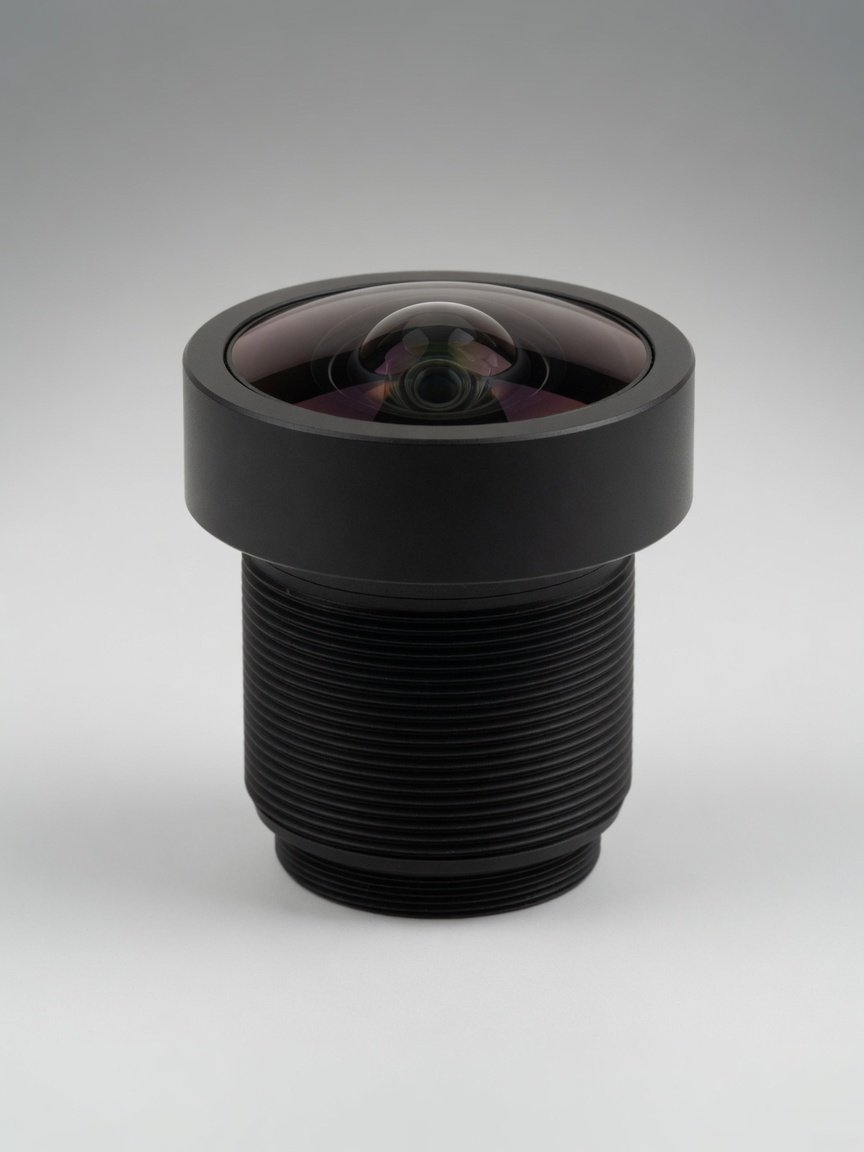
14 M12 models at 144–220° for 5MP sensors, plus MJ7208B / MJ7209A 20MP flagships on 1″-class sensors for panoramic and aerial imaging.
Models: LMMJ7018A → LMMJ7051A · MJ7208B · MJ7209A
Explore Others →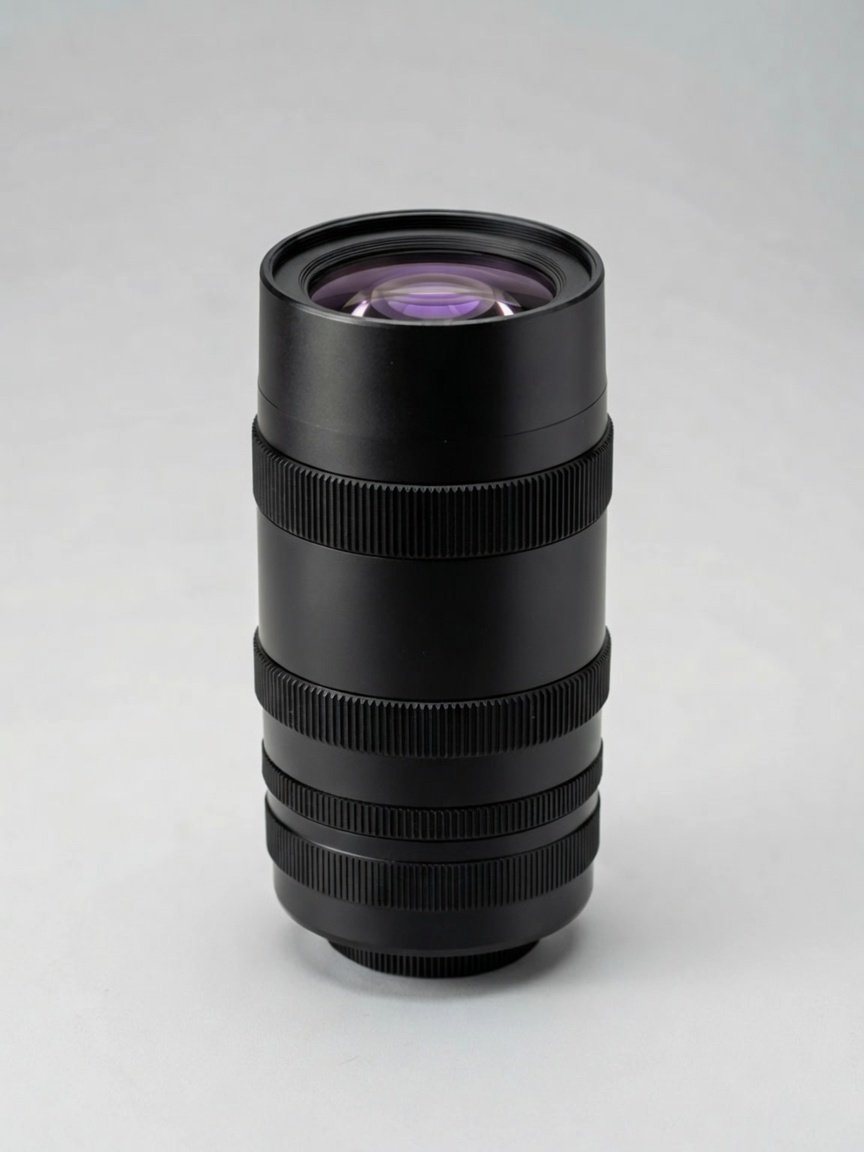
Drawing or sample to mass production on a per-project confirmed schedule: reverse engineering, DLP/UV micro-projection, UV exposure objectives, spectrometer modules.
Start a Custom Optics Project →Send a drawing, a sample, or just a target image — our optical engineers take it from there. Every custom project runs the same NDA-protected workflow, so custom never means chaotic.
You send the sensor, field of view, working distance, and resolution target. We confirm the optical budget, flag feasibility risks before quoting, and check sensor format and CRA compatibility up front.
The lens prescription is designed in-house with MTF simulation and tolerance analysis. Optical lens design and mechanical housing are engineered together, not thrown over a wall.
First articles are built on production tooling paths with full test reports, so what you approve is what will repeat in volume.
Process capability is verified at volume intent before scale-up. Approved-version control locks drawings and process parameters from here forward.
Prototype-to-mass-production and repeat-order schedules are confirmed per project at quotation. Per-batch MTF and distortion records ship with every order.
01 Cycle returns — repeat orders re-enter at mass production on the agreed framework schedule.
NDA before drawings · 50% before shipment
ISO 9001 is the certification we hold. The rest are in-house test standards and commercial terms you can check before a purchase order — not a borrowed badge wall.
On request: Test ReportsSpec SheetsISO 9001 CertificateNDA Template
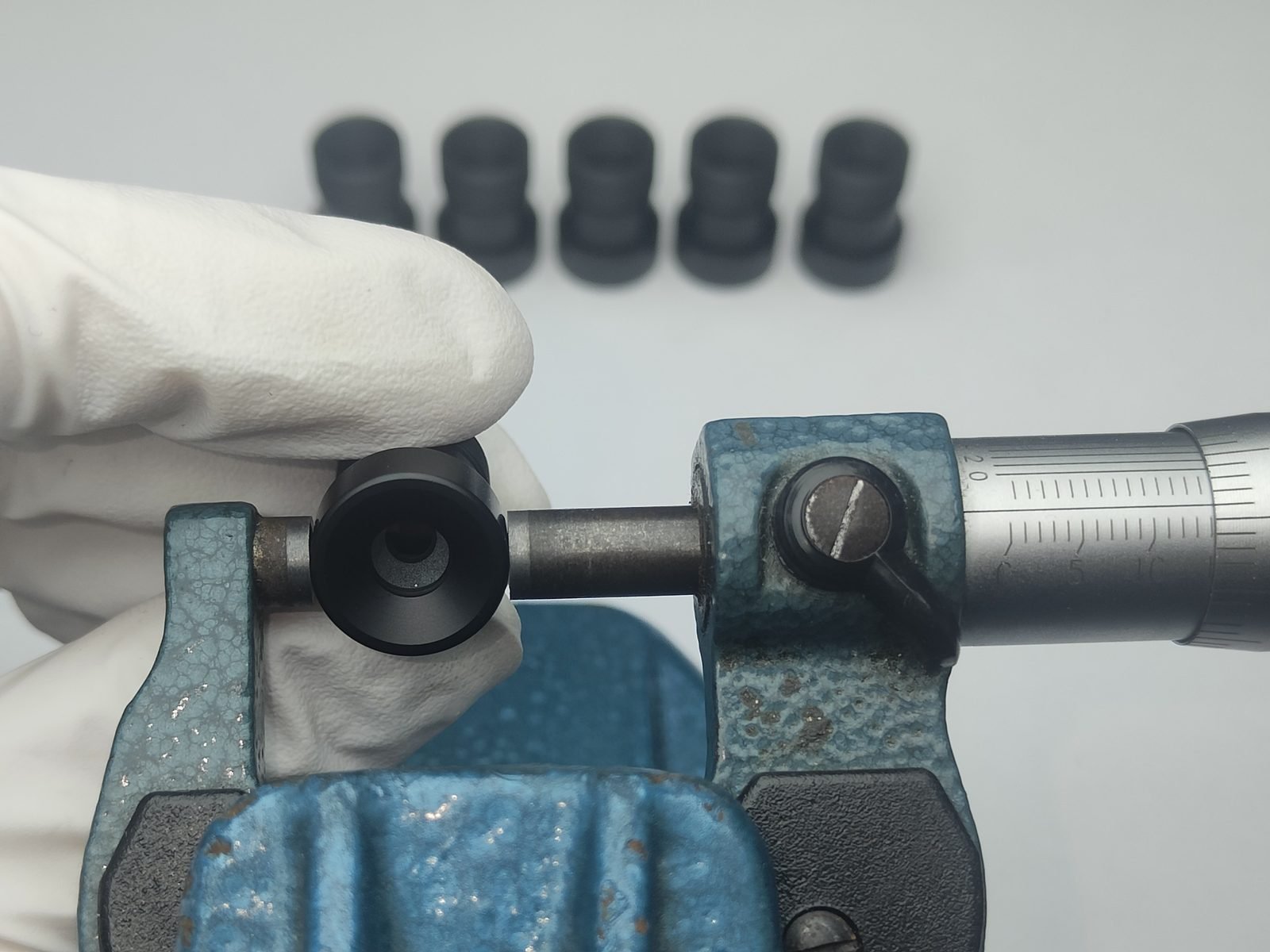
Lens design, precision machining, and assembly under one roof — metrology-grade validation at every station, not just final inspection.
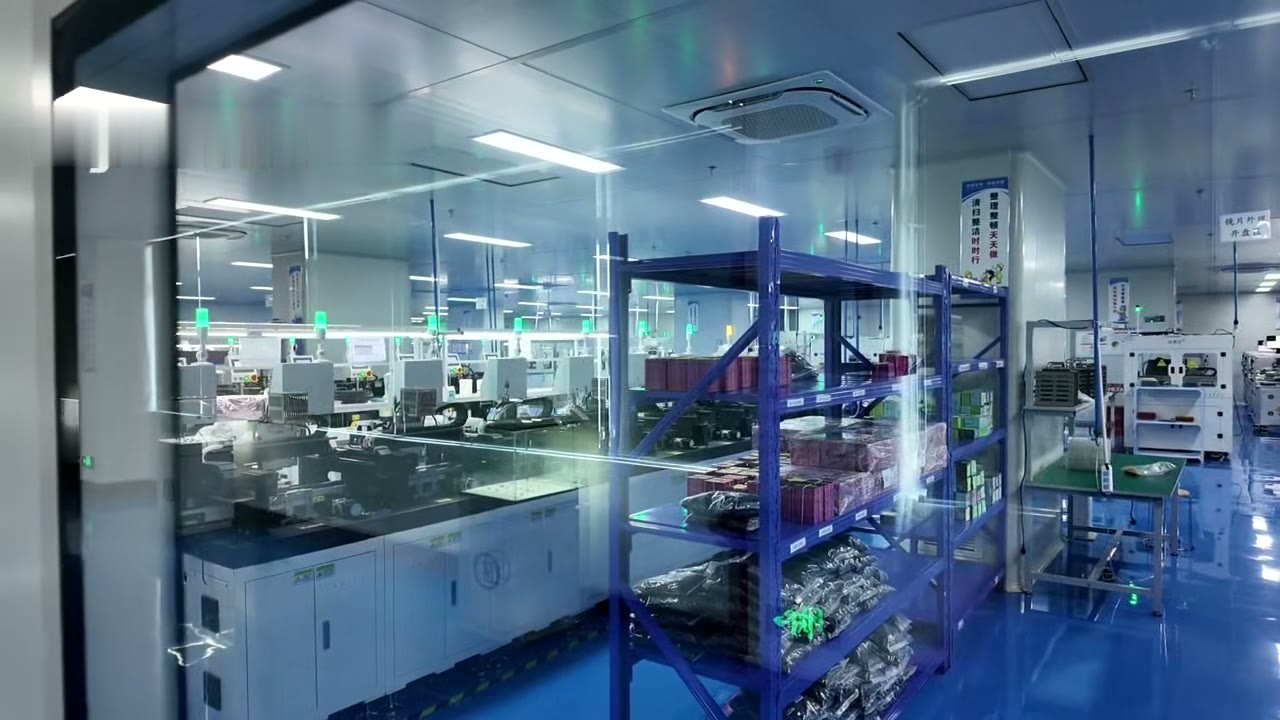
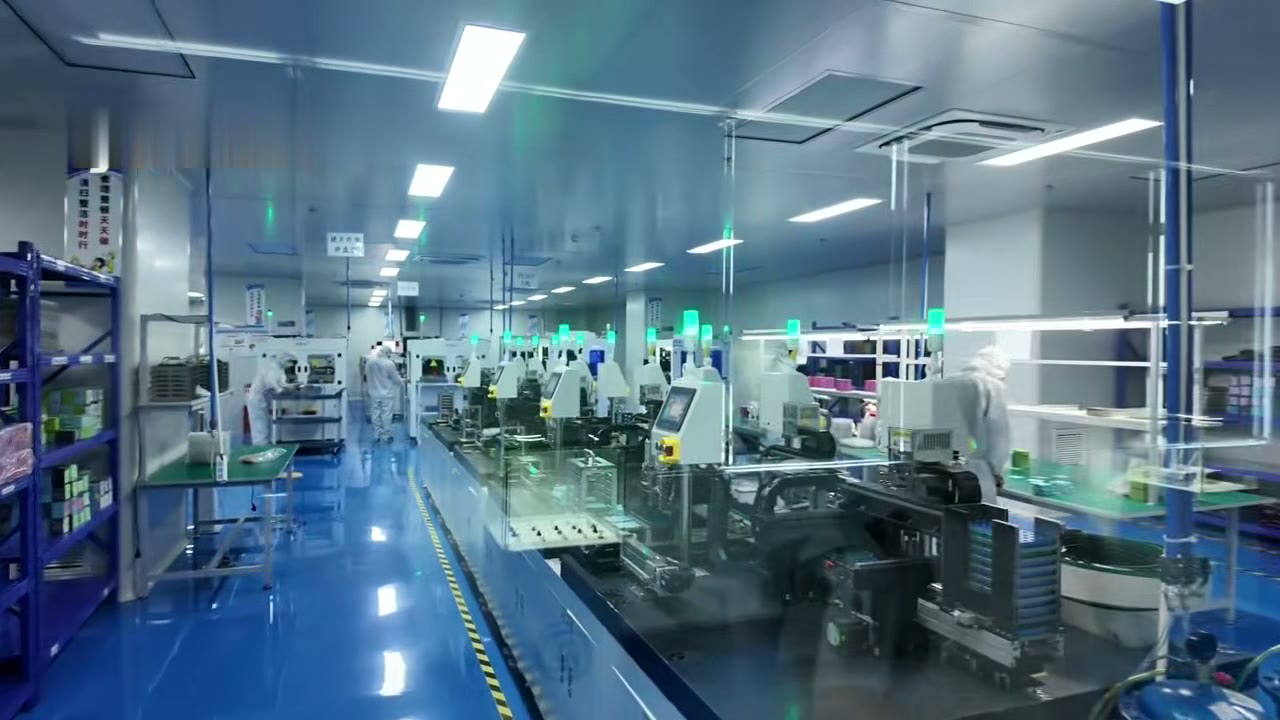
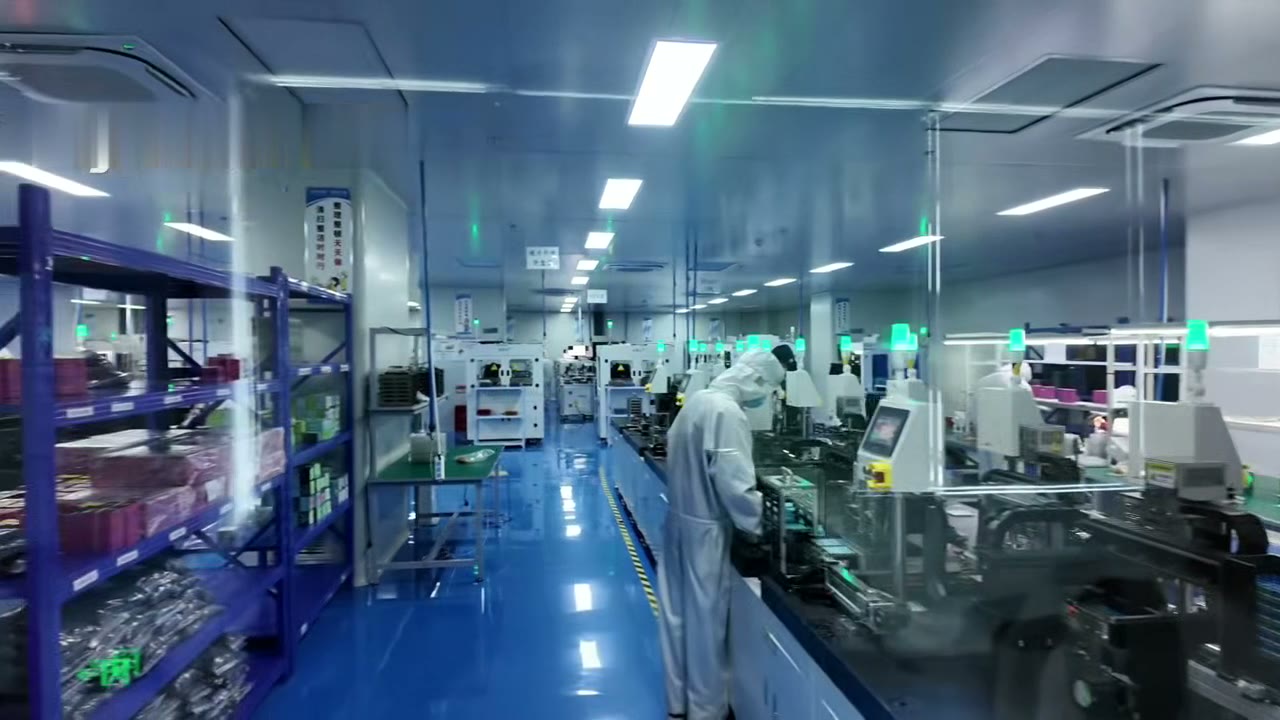
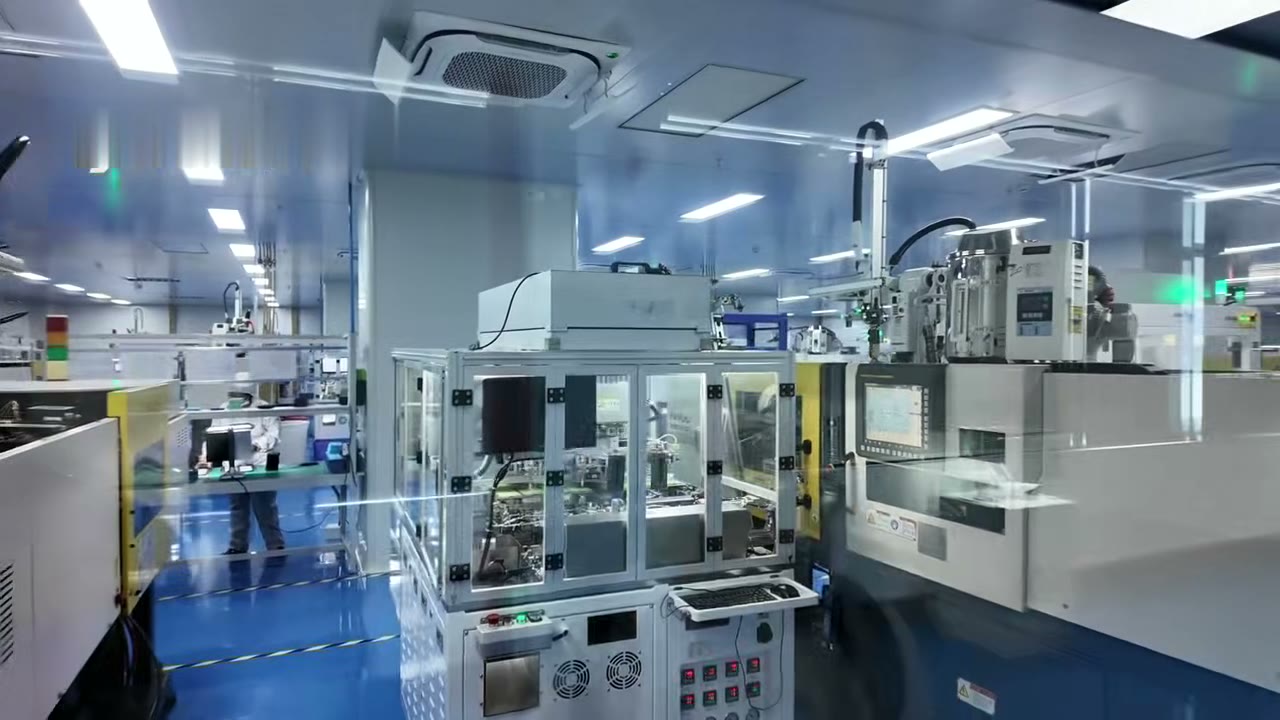
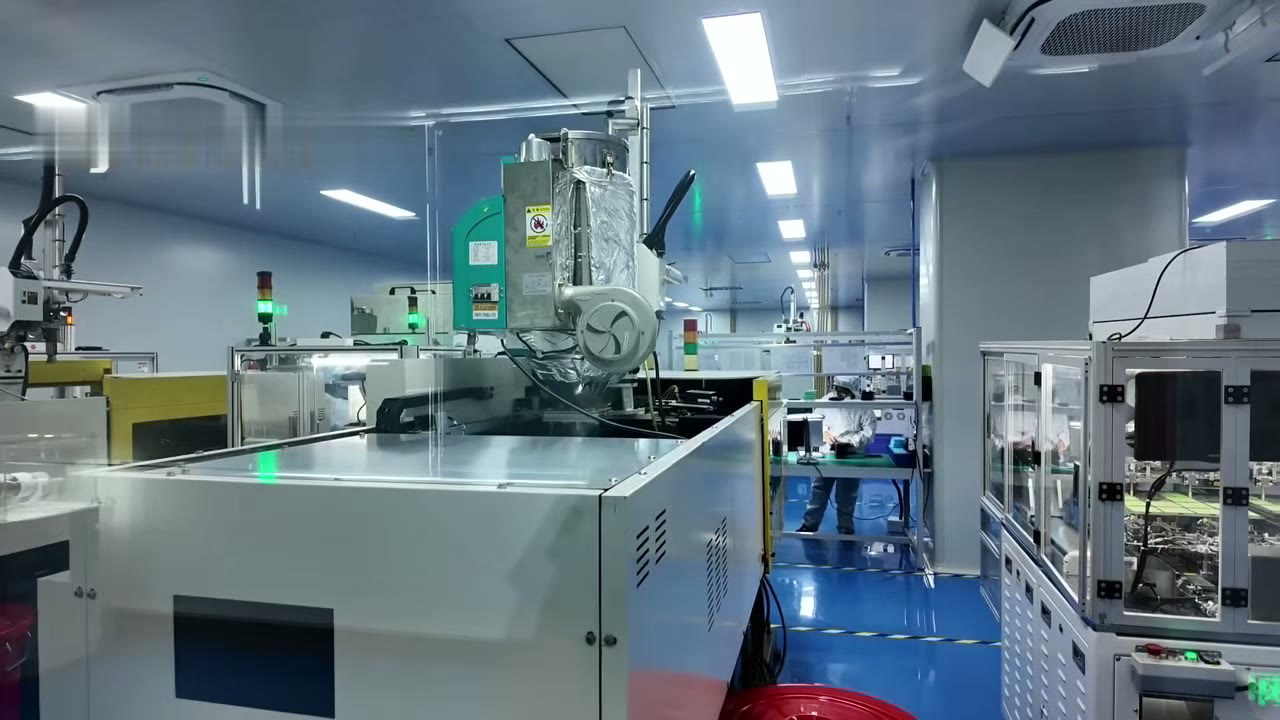
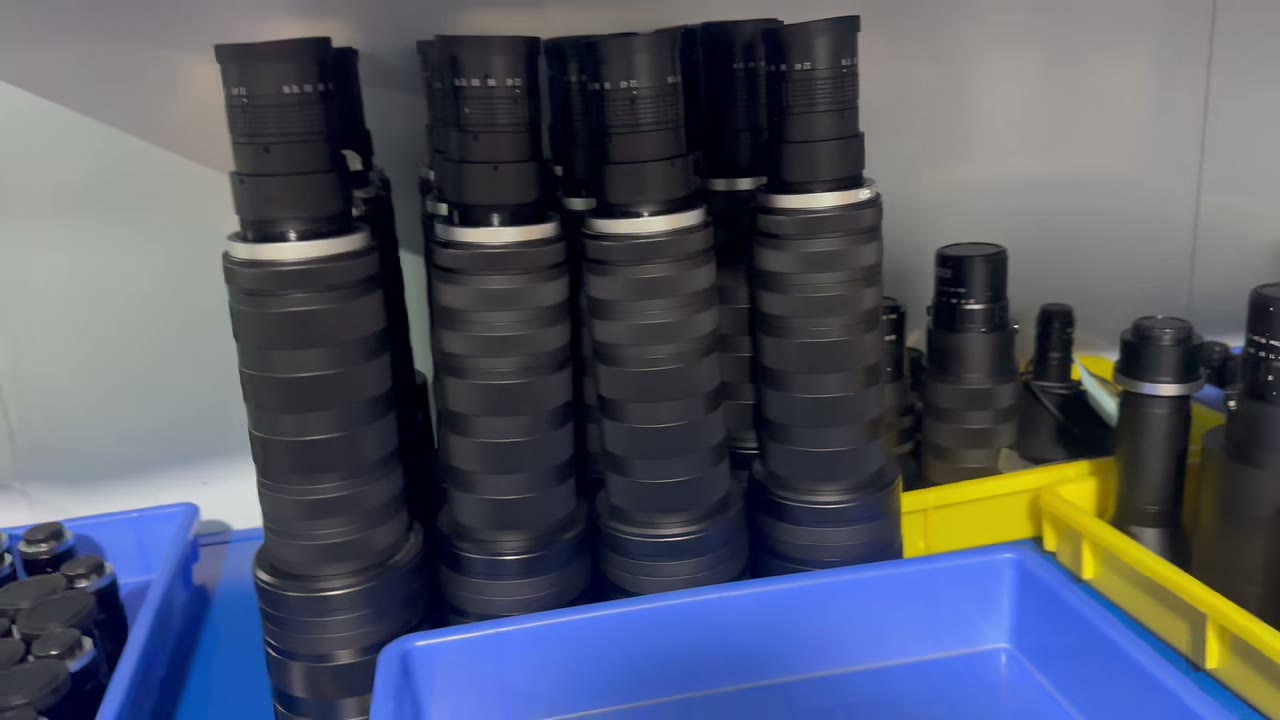
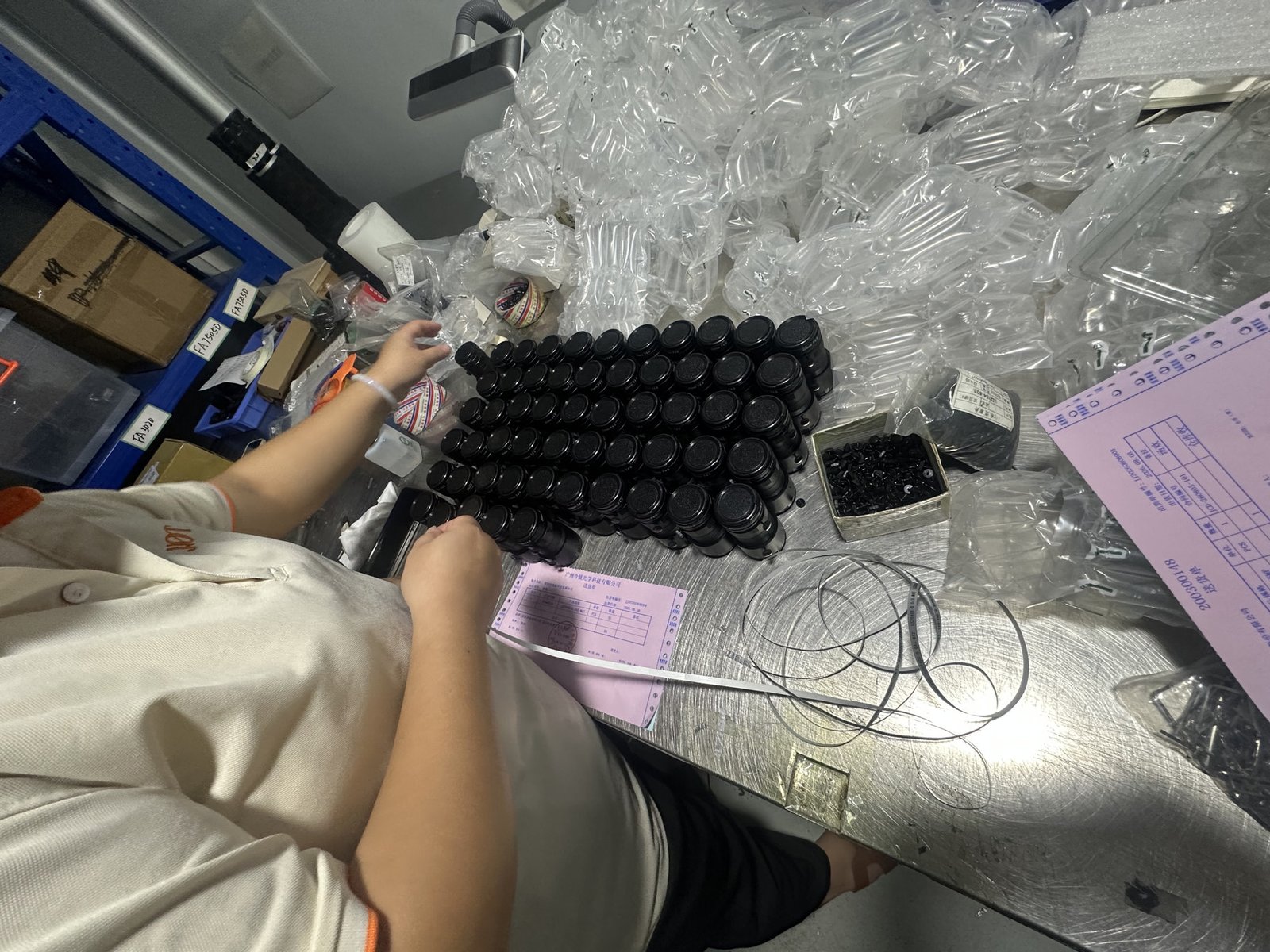
The other half of lens selection is knowing the line it runs on. Our application notes map each family to real constraints: takt time, ambient light, vibration, and cleanliness.
0201-and-smaller SMD, connector coplanarity, dense boards at AOI line speed. A lens that resolves the part but distorts the field turns good boards into false rejects.
Read the 3C application note →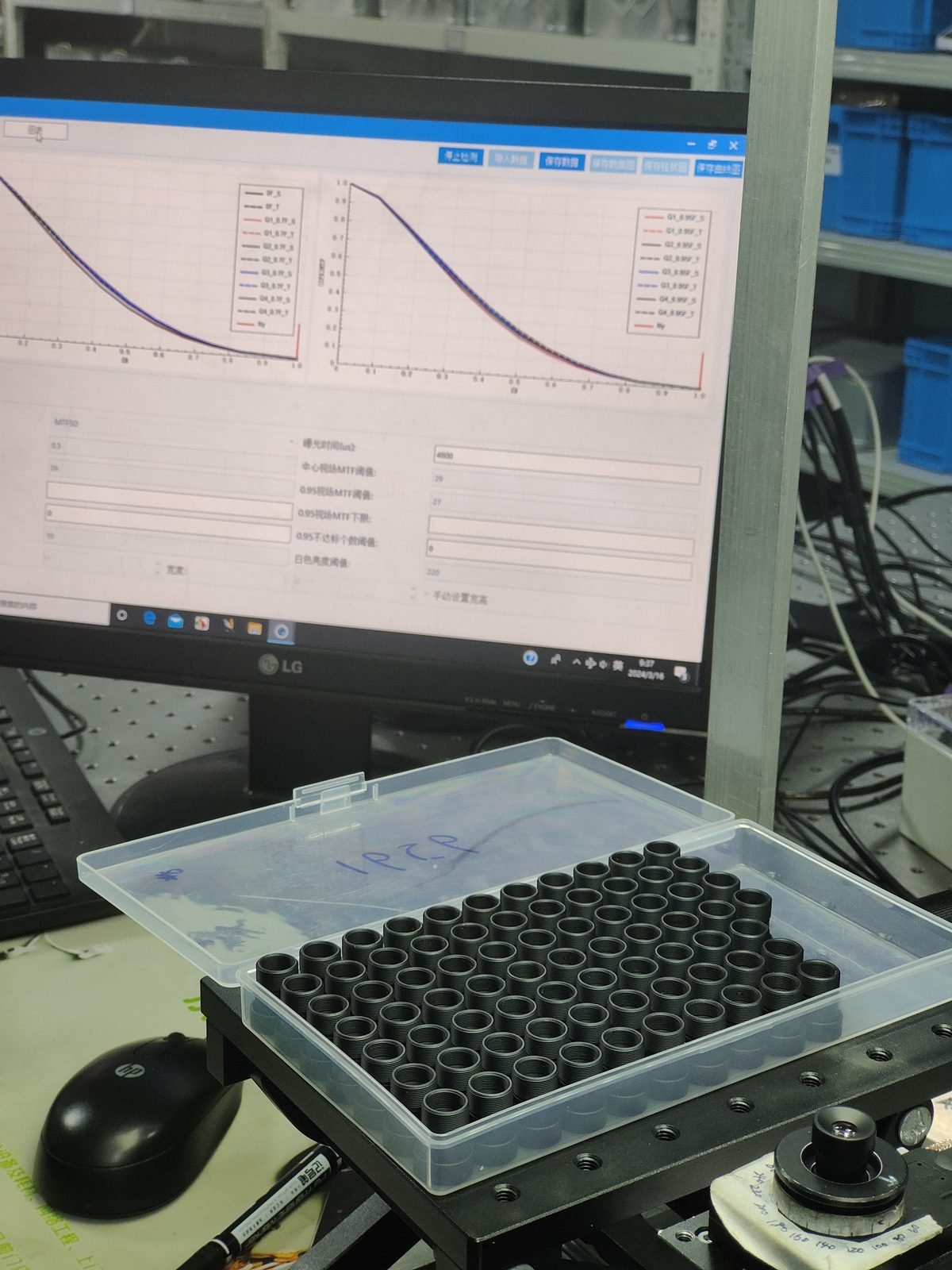
Tab welds, coating skips and seal pins on specular metal. Low-angle or coaxial lighting plus distortion-controlled M12 or line scan, so a pore reads as contrast, not glare.
Read the battery application note →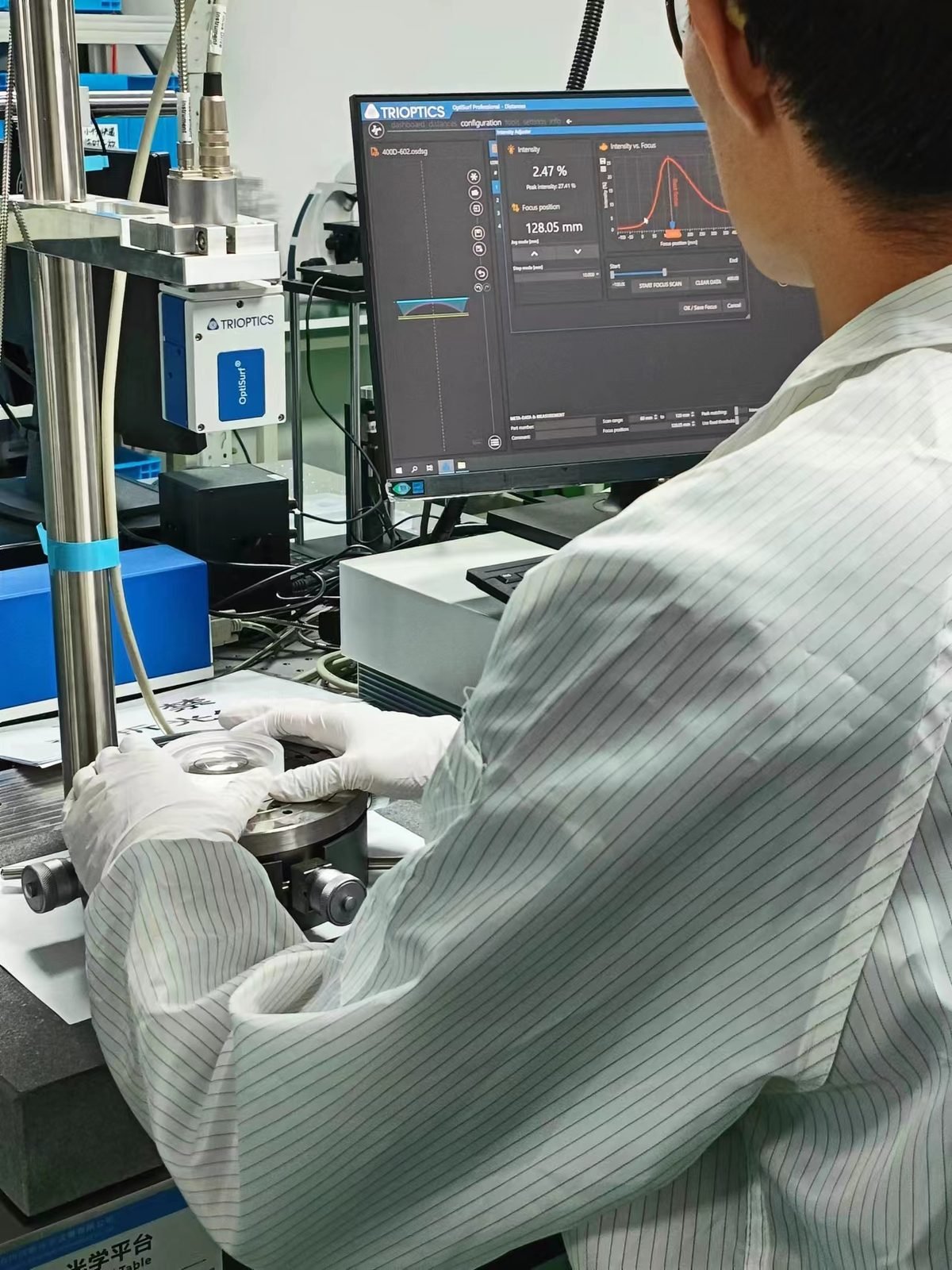
A measurement system whose magnification shifts with working distance is not a measurement system. Wafer and panel lines need micron stability, plus panel-width throughput from line scan.
Read the semiconductor note →
Mixed package heights at belt speed. A fixed-focus lens blurs the near field or clips the far one; mechanical refocus per lane multiplies failure points. Focus has to move electronically.
Read the logistics note →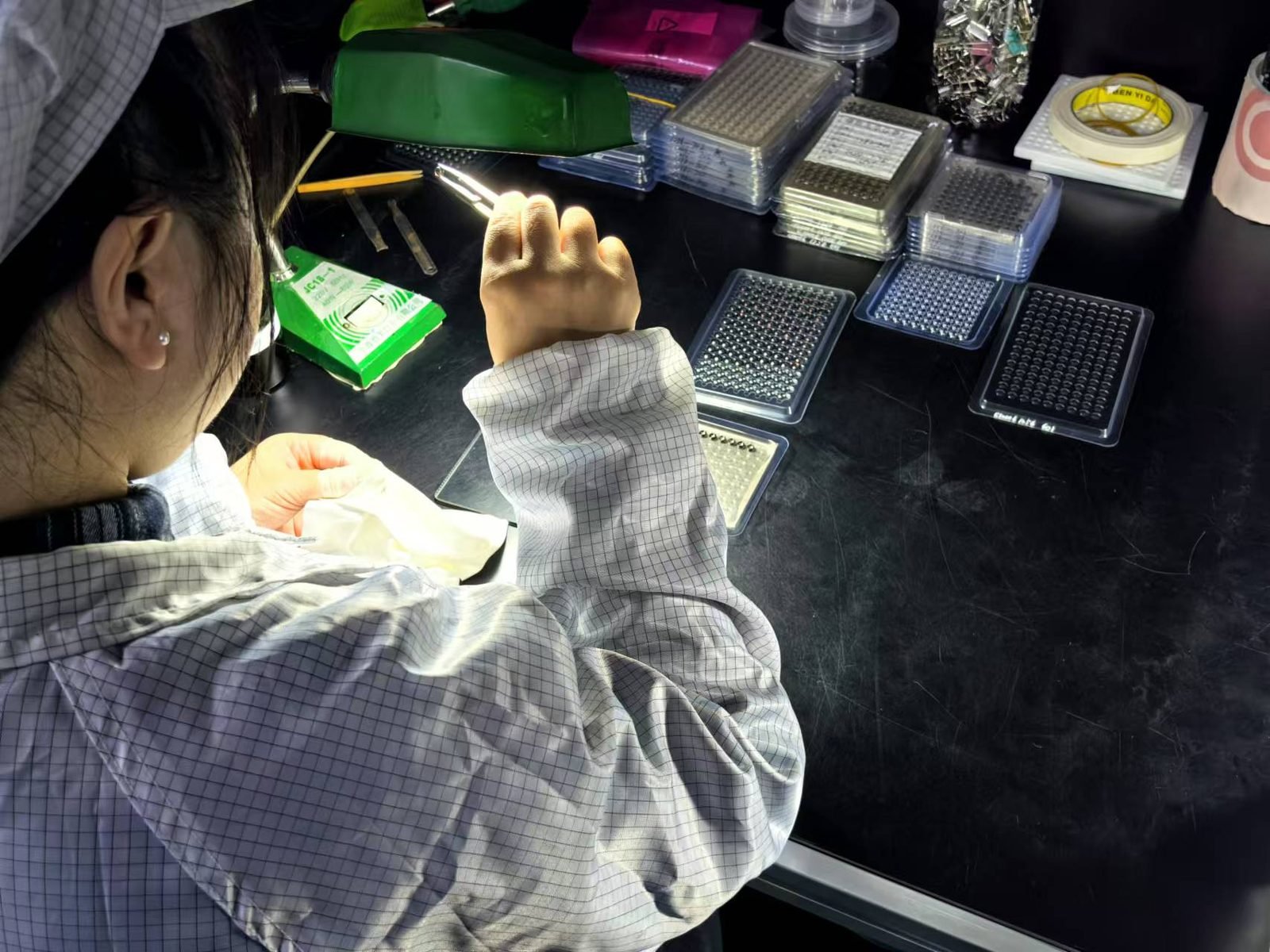
Form factor below 2 mm OD for endoscopic front ends, and survival across repeated autoclave cycles. Regulated programs need batch test records, not datasheet adjectives.
Read the medical note →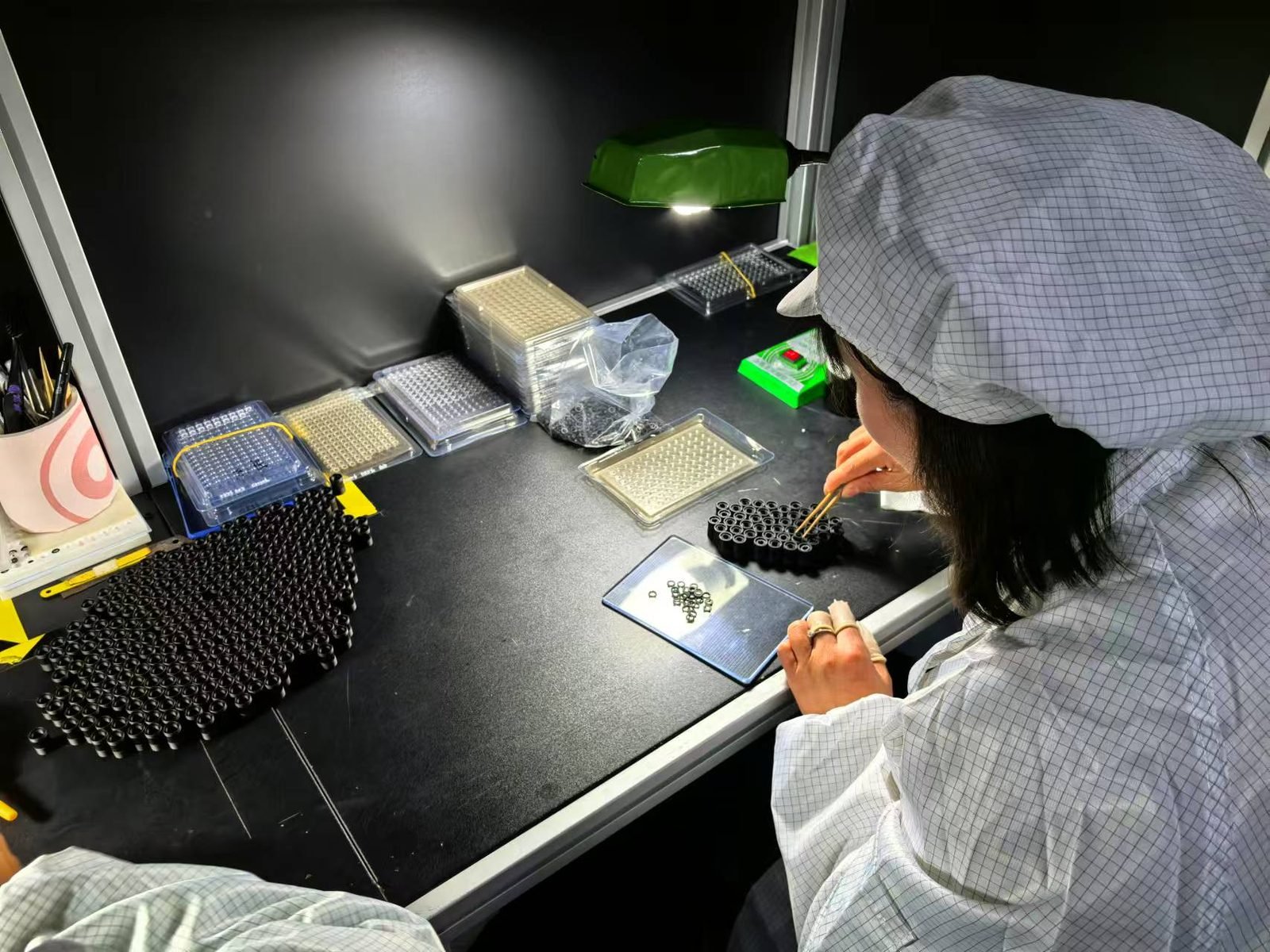
Dark, tight, or hazardous volumes. The same hermetic micro-optics as medical, specified for industrial duty cycle and IP-rated service instead of the operating theatre.
See endoscope modules →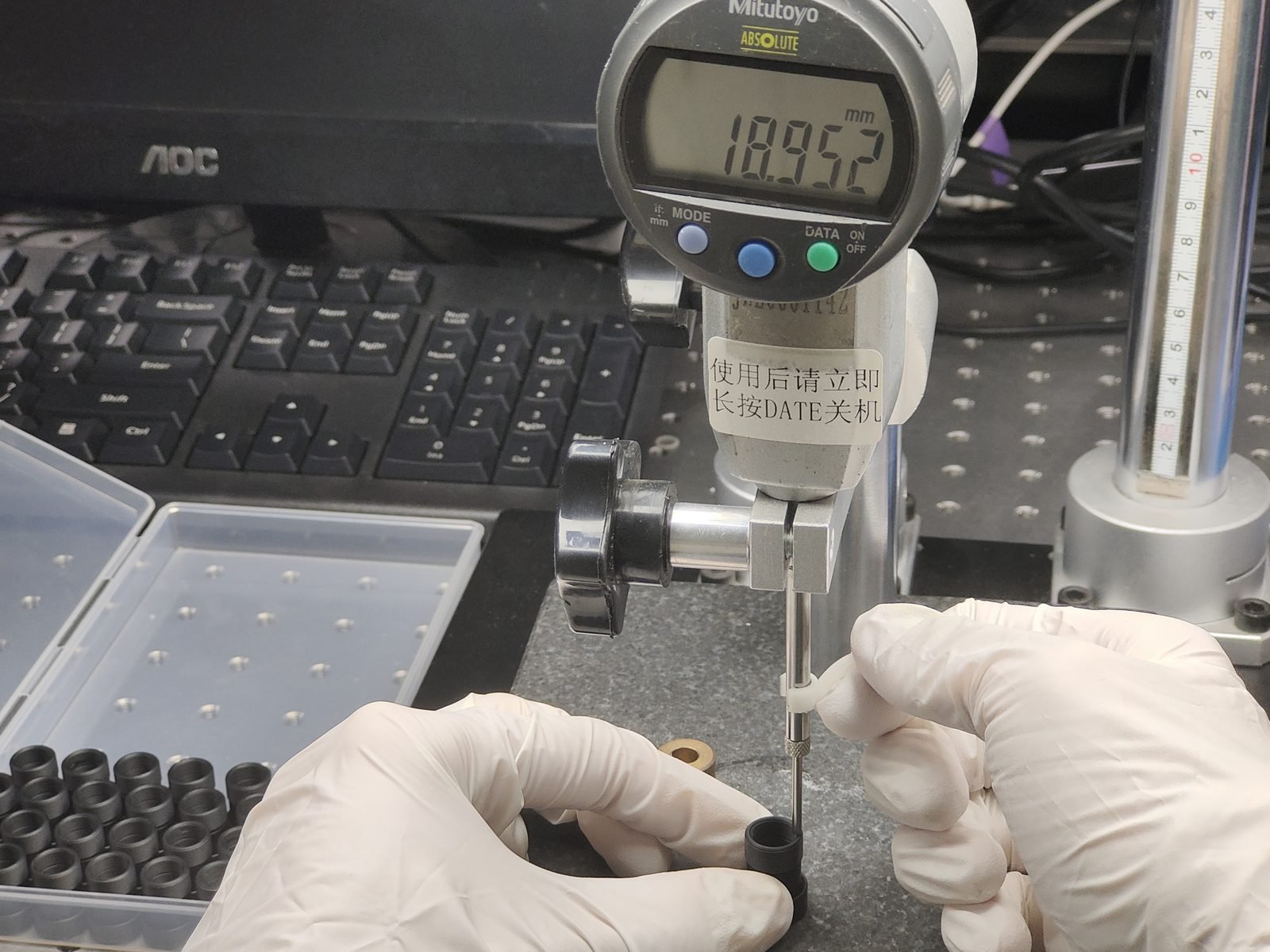
Body and electronics gauging on the line, and millisecond-scale detection of heat sources. FA for dimensional work; germanium thermal for obstacles and hot-spot screening.
Read the thermal application map →